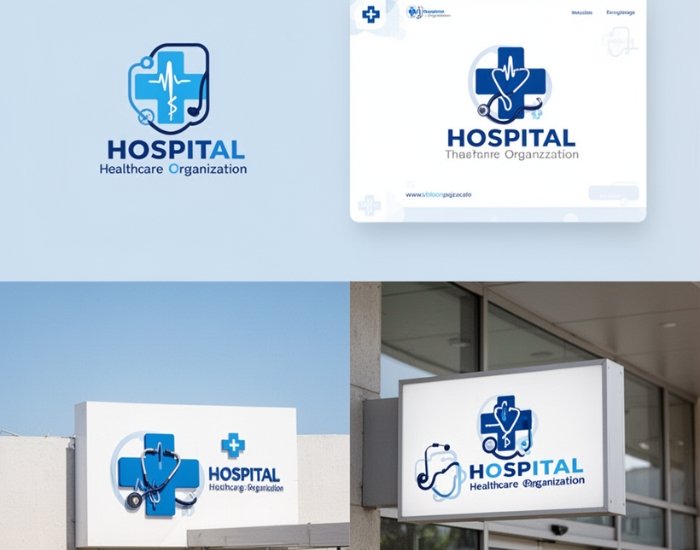
The logo of a medical clinic often serves as the first point of recognition for patients and the community. It is more than a graphic element; it reflects the clinic’s professionalism, values, and approach to patient care. For many healthcare practices, a thoughtfully designed logo can help communicate trust, clarity, and reliability before a patient even steps through the door.
Clinic logo design is an integral part of healthcare branding. It provides a consistent visual identity that can be applied across signage, printed materials, digital platforms, and communications. By establishing a coherent identity, clinics can ensure that patients recognize their brand and associate it with a sense of credibility and professionalism.
The Role of Logo Design in Healthcare
A clinic logo is often the most visible aspect of a healthcare brand. In addition to representing the services offered, it conveys values such as care, safety, and expertise. Patients often form their initial impressions based on visual cues, including colors, typography, and symbols.
Consistent use of a logo across all materials helps reinforce familiarity. When patients encounter the same design on appointment cards, websites, and signage, it creates a sense of reliability and cohesion. Logos also assist clinics in distinguishing themselves from other medical providers in a region, providing a point of visual reference that supports broader communication strategies.
Design Considerations for Medical Logos
Healthcare branding requires a careful balance between professionalism and approachability. Several factors contribute to effective clinic logo design.
Simplicity is critical. A clean and uncluttered logo is easier to recognize and more adaptable across different formats. Overly complex designs can be difficult to read on signage, mobile devices, or printed materials.
Color choices are also significant. Colors such as blue, green, and neutral tones are often associated with trust, calmness, and medical reliability. These palettes can influence patient perception, fostering reassurance and confidence.
Typography should be clear and legible, reflecting professionalism while remaining approachable. Symbols such as crosses, hearts, or abstract medical icons are frequently used to communicate healthcare services, but they need to be applied thoughtfully to avoid clichés or visual clutter.
Customization for Different Clinic Types
Medical practices vary widely, and logo design can reflect these differences. Family clinics, pediatric practices, dental offices, urgent care centers, and specialty clinics all have distinct audiences and service focuses.
For example, pediatric clinics may favor friendly, approachable imagery that appeals to families and children, while urgent care centers often use bold, confident designs that communicate speed and reliability. Dental clinics may emphasize cleanliness and precision through minimalist layouts and sharp lines. Designing with the clinic’s patient demographic in mind helps ensure the logo communicates the intended values effectively.
Common Challenges in Clinic Logo Design
Designing a healthcare logo comes with unique challenges. One key issue is maintaining clarity while conveying multiple aspects of the clinic’s services. Medical practices may offer a range of specialties, making it difficult to represent everything in a single visual mark.
Another challenge is balancing uniqueness with recognizability. Healthcare logos must be professional, but also stand out from other clinics in the area. Overly generic symbols or fonts can reduce the effectiveness of the design.
Scalability is another consideration. Logos need to perform well on large-scale signage as well as on small digital screens or business cards. Failure to account for size variations can result in reduced legibility or visual distortion.
Elements of an Effective Clinic Logo
Effective clinic logos share several common characteristics. They are simple, versatile, and memorable. They maintain visual balance and are adaptable across digital and physical applications.
Key elements include:
-
Clear Symbolism: Shapes or icons that convey healthcare without overcomplicating the design.
-
Trustworthy Colors: Colors that evoke calmness, reliability, and safety.
-
Legible Typography: Fonts that are readable across a range of materials.
-
Consistency: A design that can be applied uniformly across print, digital, and physical branding elements.
Logos that incorporate these elements successfully help clinics establish a clear identity while remaining patient-focused.
Applications of Clinic Logos
A clinic logo functions across a variety of touchpoints. Common applications include:
-
Signage and building identification
-
Appointment cards and patient forms
-
Websites and mobile applications
-
Marketing materials such as brochures and flyers
-
Staff uniforms and badges
-
Social media profiles
Consistency across these applications helps maintain a cohesive visual identity and reinforces the clinic’s credibility.
Trends in Healthcare Logo Design
Healthcare logos have evolved to emphasize clarity, simplicity, and professionalism. Current trends often include:
-
Minimalist layouts that avoid clutter
-
Flat design and clean lines for digital adaptability
-
Use of calming and neutral color palettes
-
Abstract or symbolic representation of care and health
-
Flexible design systems that can expand as clinics grow or add services
These trends aim to create designs that feel modern, trustworthy, and versatile.
Conclusion
Clinic logos are a fundamental component of healthcare branding. They communicate professionalism, reliability, and care, serving as a visual anchor for patients and the community. Effective logo design balances simplicity, clarity, and meaningful symbolism, ensuring that a medical practice’s identity is recognizable across both digital and physical platforms.
By considering patient perception, clinic type, and the broader healthcare environment, logo design becomes a tool that supports trust, recognition, and cohesion. In this way, a thoughtfully designed clinic logo contributes to the overall perception and credibility of a medical practice, providing a consistent visual presence that patients can rely on.