Healthcare organizations operate in one of the most trust-dependent industries in the world. Patients often choose hospitals not only based on services or physicians, but also on how the institution presents itself. From the hospital logo to patient brochures and signage, every visual element contributes to how the public perceives a healthcare provider.
In a large and diverse city like San Jose, hospitals and healthcare systems serve communities with different cultural backgrounds, expectations, and healthcare needs. A strong and consistent brand identity helps hospitals communicate reliability, professionalism, and compassion to patients and their families.
Hospital branding is much more than designing a logo. It involves creating a clear and unified identity that reflects the hospital’s mission, values, and patient experience. When implemented properly, hospital branding strengthens recognition, improves communication, and builds long-term trust within the community.
This guide explores why hospital branding matters, the challenges healthcare organizations face when building their brand, and how professional hospital branding services help create a clear and credible healthcare identity.
Why Branding Matters for Hospitals and Health Systems
Hospitals provide essential medical care, but they also operate within a competitive healthcare landscape. Branding helps healthcare institutions communicate their expertise, values, and commitment to patient care.
A strong hospital brand creates familiarity and reassurance. Patients often feel more confident visiting a healthcare facility that presents a professional and consistent identity across its website, signage, printed materials, and communication channels.
Branding also supports internal alignment within the hospital system. When departments, clinics, and outreach programs share the same brand identity, patients experience consistent messaging and visual recognition across different services.
In addition, hospitals frequently collaborate with physicians, medical groups, and specialists. A unified brand helps these partnerships appear cohesive and organized, reinforcing credibility within the healthcare network.
For many healthcare organizations, professional hospital branding services help transform scattered marketing materials into a structured and recognizable brand presence.
Unique Branding Challenges in the Healthcare Industry
Branding in healthcare differs significantly from branding in retail, technology, or hospitality. Hospitals must balance professional communication with sensitivity, trust, and patient-centered messaging.
One of the biggest challenges is maintaining clarity while communicating complex medical services. Hospitals offer a wide range of specialties—from emergency care to surgical services—and branding must help patients easily understand these offerings.
Another challenge is maintaining consistency across large healthcare systems. Hospitals often include multiple departments, outpatient clinics, specialty centers, and administrative offices. Without a clear branding system, visual identity can become fragmented.
Healthcare branding must also remain accessible and welcoming. Patients often approach hospitals during stressful or uncertain times. Visual design, language, and messaging should promote reassurance rather than confusion.
Regulatory and compliance considerations can also influence healthcare communication. Branding must remain accurate and responsible while still engaging the community.
Professional hospital branding services address these challenges by developing structured identity systems that support clear communication across all patient touchpoints.
How Professional Hospital Branding Differs From Basic Design
Many organizations assume branding simply involves a logo or color scheme. In reality, hospital branding requires a broader strategic approach that connects visual identity with the hospital’s mission and patient experience.
Professional branding begins with understanding the healthcare organization itself. Designers study the hospital’s services, specialties, patient demographics, and community role. This insight helps shape a brand identity that truly represents the institution.
Visual identity development is a major component of hospital branding. This includes logo design, color systems, typography, and imagery guidelines that reflect professionalism and care.
Branding also includes communication design. Hospitals rely on a wide range of materials such as brochures, appointment guides, signage systems, patient education materials, and digital content. All of these elements must follow a consistent design language.
Professional branding services also focus on scalability. As hospitals expand services or open new locations, the brand identity should remain consistent while allowing flexibility across different departments.
These strategic elements ensure that hospital branding becomes a long-term asset rather than a one-time design project.
Design Approaches That Work Well for Healthcare Brands
Hospital branding typically follows design approaches that emphasize clarity, trust, and professionalism. While every healthcare organization has its own personality, certain styles consistently perform well in the healthcare environment.
Clean and minimalist visual systems are commonly used in hospital branding. Simple layouts, clear typography, and calm color palettes help create a professional and approachable image.
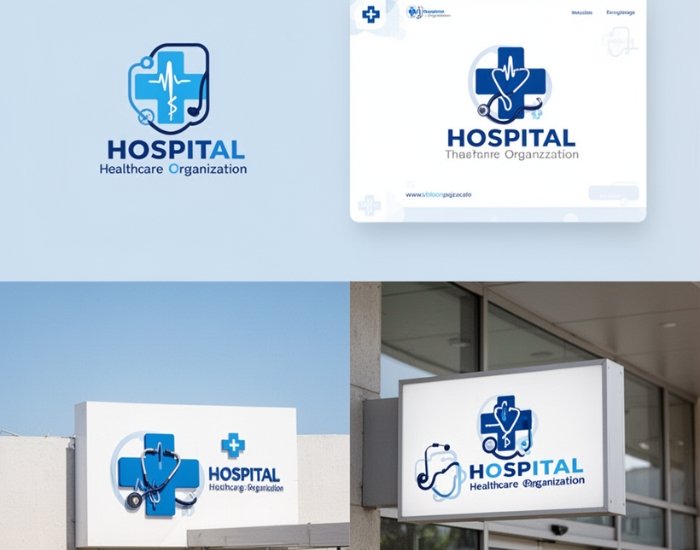
Symbol-based logos are also popular in healthcare branding. Medical symbols, abstract shapes, and meaningful icons can represent care, healing, or community connection.
Color choices play a major role in healthcare branding as well. Many hospitals use colors associated with trust and calmness, such as blue, green, or soft neutral tones. These palettes help convey stability and reassurance.
Photography and imagery also contribute to the hospital’s visual identity. Images often focus on patient care, compassionate medical professionals, and welcoming environments rather than overly clinical scenes.
When these design elements are combined thoughtfully, they create a healthcare brand that communicates both expertise and empathy.
Common Branding Mistakes Hospitals Should Avoid
Hospitals and healthcare networks sometimes encounter branding challenges that reduce the effectiveness of their communication.
One common issue is inconsistent branding across departments. Different clinics or programs may use separate logos, colors, or materials, which can confuse patients and weaken brand recognition.
Another challenge occurs when branding becomes overly complex. Medical organizations sometimes try to communicate too many services at once, leading to cluttered messaging.
Outdated design is another frequent problem. Hospitals that rely on old branding styles may appear less modern or innovative, especially in regions with advanced healthcare technology.
Some institutions also underestimate the importance of patient-focused communication. Branding that focuses only on medical terminology rather than patient understanding can feel distant or impersonal.
Avoiding these issues requires a structured branding system that keeps visual identity, messaging, and patient communication aligned.
What a Complete Hospital Branding Package Typically Includes
Professional hospital branding services often involve a comprehensive design process that supports both visual identity and communication strategy.
Brand discovery and research usually begin the process. Designers analyze the hospital’s mission, services, patient audience, and competitive environment.
Logo development follows, creating a recognizable symbol that represents the hospital’s identity. The logo becomes the foundation for all branding materials.
Visual identity guidelines are also created. These guidelines define color palettes, typography systems, and layout standards that ensure consistency across marketing materials.
Healthcare organizations also benefit from branded communication assets. These may include brochures, signage systems, patient information materials, presentation templates, and digital graphics.
Brand guidelines are typically delivered at the end of the process so hospital teams can maintain consistency across departments and future communications.
This structured approach allows healthcare institutions to maintain a cohesive and professional brand presence across all patient interactions.
Considerations for Hospital Branding in San Jose
San Jose is home to one of the most diverse populations in California. Hospitals in the region often serve communities from many cultural and linguistic backgrounds.
Because of this diversity, hospital branding must emphasize clarity and accessibility. Visual communication and messaging should be easy to understand for a wide range of audiences.
The city’s connection to Silicon Valley also influences healthcare expectations. Many residents are accustomed to modern technology and efficient systems, so hospitals benefit from branding that feels contemporary and forward-thinking.
Healthcare institutions in San Jose also operate in a competitive medical environment with multiple hospitals, specialty clinics, and healthcare providers. Strong branding helps organizations stand out while maintaining professionalism and trust.
These local considerations make strategic hospital branding particularly valuable for healthcare providers serving the San Jose community.
The Value of Working With a Local Branding Team
Choosing a local design and branding company can provide several advantages when developing hospital branding.
Local designers often understand the healthcare environment and visual trends within the San Jose region. This awareness helps them create branding that resonates with the local audience.
Working with a nearby team also improves collaboration. Healthcare organizations often involve multiple stakeholders in branding decisions, and clear communication is essential throughout the design process.
Local branding teams may also have experience working with regional healthcare organizations, clinics, or medical professionals. This familiarity allows them to anticipate the communication needs of hospitals and healthcare systems.
Because branding influences many aspects of hospital communication, having a responsive local design partner can help ensure that the brand evolves smoothly as the organization grows.
Frequently Asked Questions
Q: What is hospital branding?
A: Hospital branding is the process of creating a consistent visual identity and communication strategy that represents a healthcare organization’s mission, services, and patient experience.
Q: Why is branding important for hospitals?
A: Strong branding helps hospitals build trust, improve recognition, and communicate their services clearly to patients and the community.
Q: What elements are included in hospital branding?
A: Hospital branding often includes logo design, visual identity systems, brand guidelines, marketing materials, signage design, and patient communication assets.
Q: Can branding help hospitals attract more patients?
A: Effective branding improves visibility and trust, which can influence how patients perceive and choose healthcare providers.
Q: How long does a hospital branding project usually take?
A: Depending on the size of the healthcare organization and the scope of work, branding projects may take several weeks to several months.
Strengthening Healthcare Identity Through Hospital Branding
Hospitals play a vital role in every community, and their brand identity should reflect the trust and responsibility associated with healthcare. From visual design to patient communication, branding influences how people perceive and interact with a hospital.
For healthcare organizations in San Jose, thoughtful hospital branding can improve clarity, strengthen recognition, and reinforce the institution’s commitment to patient care.
When branding is developed strategically and applied consistently across materials and environments, it becomes a powerful tool that supports both patient experience and organizational growth.
By investing in professional hospital branding services, healthcare institutions can create a clear and credible identity that continues to serve patients and communities for years to come.